

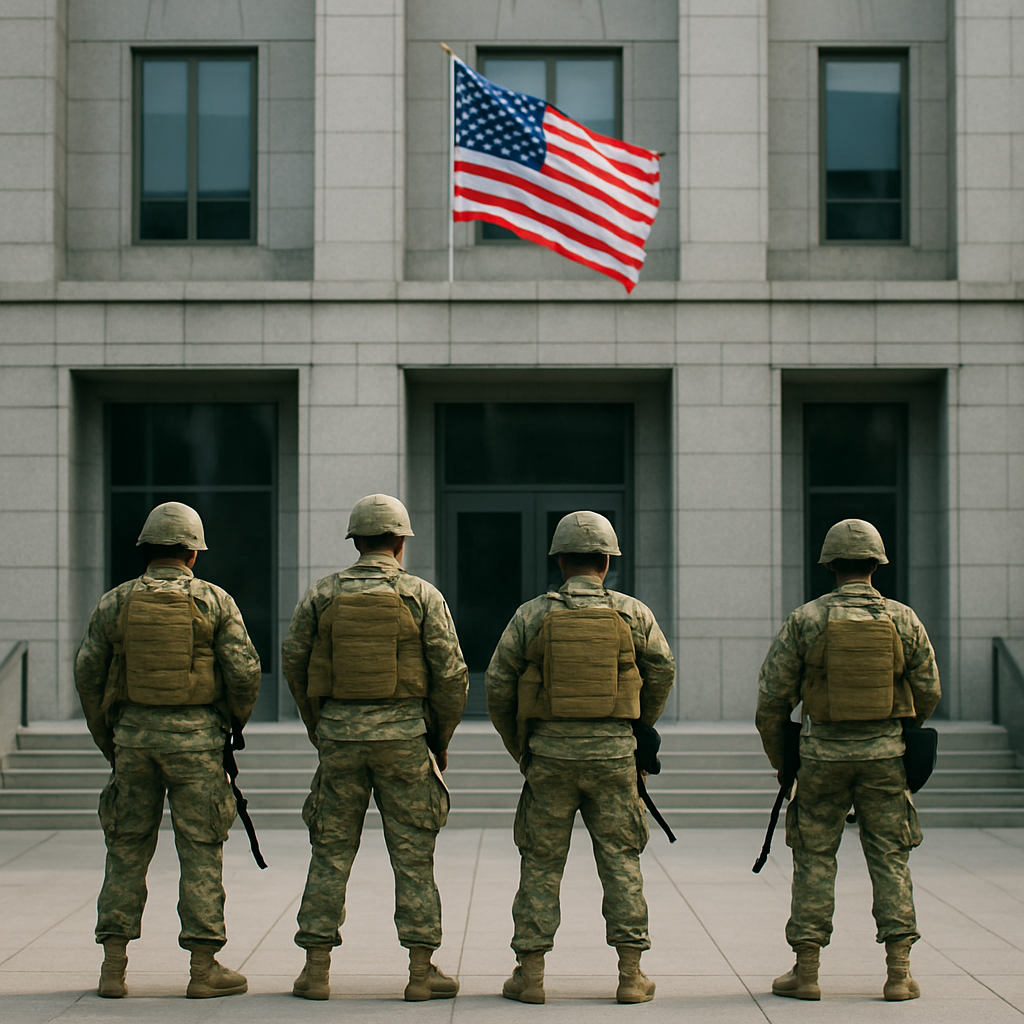
In a dramatic escalation of federal involvement, former U.S. President Donald Trump has announced the deployment of military personnel to Portland, Oregon — declaring that he will authorize “full force, if necessary.” The move marks one of the most overt uses of executive power in recent times and has drawn sharp backlash from state and local leadership.
More Read

Background and Justification
Trump made the announcement via social media, stating that he directed the Department of Defense to “provide all necessary troops to protect war-ravaged Portland,” and that the mission is intended to safeguard ICE (Immigration and Customs Enforcement) facilities, which he claimed were “under siege from attack by Antifa and other domestic terrorists.”
o back the deployment, Trump used a narrative of crisis: depicting Portland as a city under siege, subject to threats from “domestic terrorists.” The justification hinges on a law-and-order framing, with the president portraying the move as a necessary intervention to restore security and defend federal assets.
Pushback from Oregon and Portland
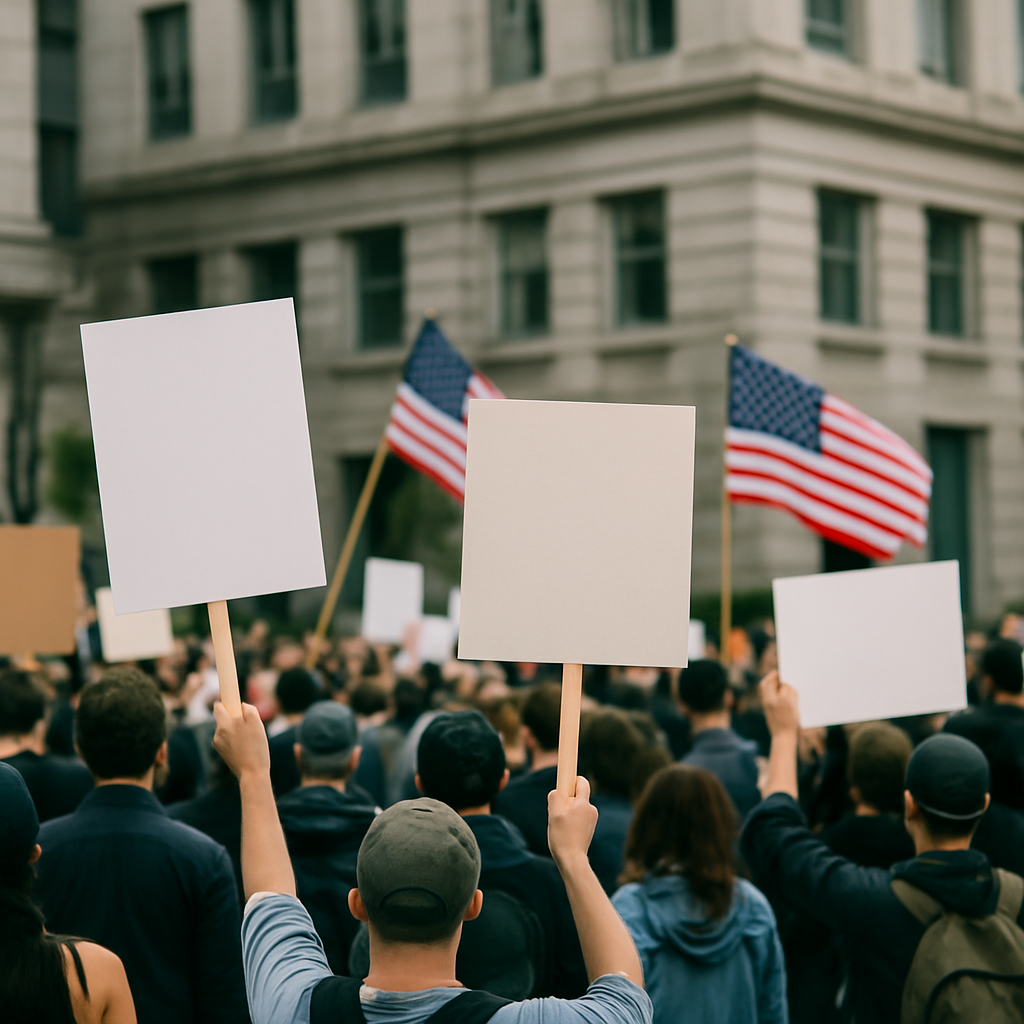
State and local officials responded almost immediately. Oregon Governor Tina Kotek, flanked by local leaders, publicly rejected Trump’s characterization of the city. She maintained that “Portland is doing just fine” and pledged to resist what she described as an “illusion of crisis.”
Mayor Keith Wilson echoed the sentiment, asserting that the number of troops needed for Portland is zero: there is no ongoing insurrection or breakdown in law and order as presented by the administration.
Critics have also questioned the legitimacy of deploying military forces in a domestic city context, warning of constitutional overreach and conflicts with norms like the Posse Comitatus Act, which limits the use of military forces for domestic law enforcement in many scenarios.
Current Situation on the Ground
Despite Trump’s announcement, as of now there has been no confirmed large-scale military presence in downtown Portland or significant escalation. Local police officials have underlined that the federal deployment is distinct from existing law enforcement operations in the city.
Protests outside the Portland ICE facility have been ongoing for weeks, with intermittent clashes. But the size, frequency, and intensity of these protests remain far lower than during earlier unrest — particularly compared to the years following George Floyd’s death. Some observers argue that images and rhetoric from prior tumultuous periods may be being repurposed to lend urgency to the administration’s claims.
Legal, Political, and Strategic Stakes
The deployment raises thorny questions about executive authority, state sovereignty, and the limits of federal intervention in cities. Legal experts warn that using military force domestically poses risks under existing statutes that separate civilian law enforcement from armed forces.
Politically, the move intensifies the divide between the federal executive and local/state leadership — especially in regions governed by opposition parties. The clash in Portland may become a high-profile test case over where the lines between federal power and civilian governance are drawn.
Strategically, the administration may be recalibrating its posture: using high-visibility deployments to reinforce messaging around security, while drawing attention to contentious issues like immigration and civil unrest. But missteps — in policy, legal authority, or public perception — could backfire.
What to Watch Next
- Clarification of Rules of Engagement: It remains unclear what “full force” means in practice. Will it include lethal force? Under what rules?
- Court Challenges: Legal battles may ensue at both state and federal levels over the constitutionality of these deployments.
- Local Resistance: Oregon’s leaders may impede coordination or refuse cooperation, creating friction in execution.
- Public Response: How citizens, activist groups, and civil liberties organizations respond could influence the political calculus.
- Spread to Other Cities: This action could portend more federal troop deployments to liberal-leaning urban centers under similar justifications.