
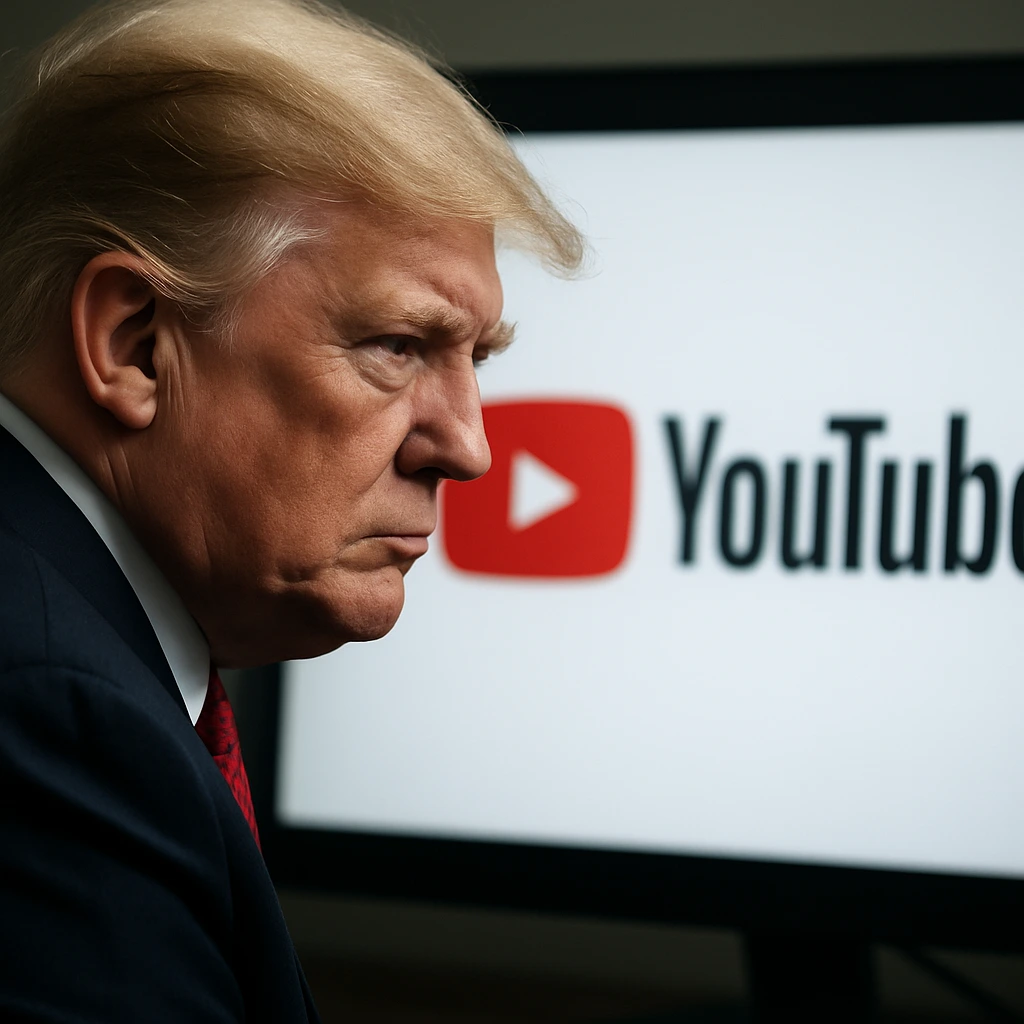
Google’s YouTube has agreed to pay $24.5 million to settle a lawsuit filed by former President Donald Trump over the suspension of his account following the January 6, 2021 Capitol riot. While the financial figure is striking, the deeper significance lies in what the settlement says about the uneasy balance between free expression, platform governance, and political accountability.
More Read

The Immediate Conflict
After January 6, YouTube restricted Trump’s channel, citing risks of further violence. Trump, in turn, accused the platform of censorship and launched a series of lawsuits against major tech firms including Meta (Facebook) and Twitter (now X). This latest settlement mirrors those earlier deals: a substantial payout, no admission of liability, and no new restrictions on Trump’s ability to post.
Why It Matters
On the surface, the settlement closes a legal dispute. But beneath that is a larger battle over who defines the rules of public speech in the digital age.
- Platforms under fire: Companies like YouTube argue they are private entities entitled to set their own standards, yet face criticism from both sides — for being too permissive or too restrictive.
- Politicians’ leverage: High-profile figures like Trump have the power to frame moderation actions as political persecution, energizing their supporters.
- Legal gray zones: Courts have repeatedly confirmed that platforms are not bound by the First Amendment, but settlements like this underscore that litigation remains a potent tool of pressure.
Broader Implications
- Crisis Management vs. Policy Consistency
YouTube acted swiftly after January 6, but settlements years later raise questions about whether platforms should adopt clearer, crisis-specific policies to avoid retroactive disputes. - The Symbolism of Money
The $24.5M figure may matter less to YouTube than to Trump’s political narrative. For his camp, it signals vindication; for critics, it is a reminder that tech companies often settle simply to avoid ongoing litigation costs. - A Roadmap for Future Conflicts
The deal provides a reference point for future lawsuits from public figures suspended during moments of unrest. It suggests that large platforms may increasingly weigh the cost of settlements against the reputational risks of drawn-out courtroom battles.
The Takeaway
The YouTube–Trump settlement is not just about one account or one payout. It highlights the fragile intersection of politics, technology, and law, where private corporations hold extraordinary power over public discourse, and politicians leverage lawsuits to challenge — or exploit — that power. The debate over who controls speech online is far from resolved, and this case will likely echo in future clashes between leaders and platforms.